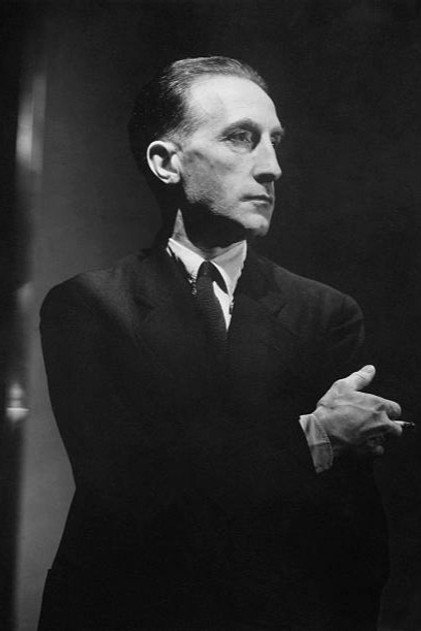
Marcel Duchamp
Henri-Robert-Marcel Duchamp was a French, naturalized American painter, sculptor, chess player and writer whose work is associated with Cubism, conceptual art and Dada, although he was careful about his use of the term Dada and was not directly associated with Dada groups. Duchamp is commonly regarded, along with Pablo Picasso and Henri Matisse, as one of the three artists who helped to define the revolutionary developments in the plastic arts in the opening decades of the twentieth century, responsible for significant developments in painting and sculpture. Duchamp has had an immense impact on twentieth-century and twenty first-century art. By World War I, he had rejected the work of many of his fellow artists (like Henri Matisse) as "retinal" art, intended only to please the eye. Instead, Duchamp wanted to use art to serve the mind. He is considered by many critics to be one of the most important artists of the 20th century, and his output influenced the development of post–World War I Western art. He challenged conventional thought about artistic processes and rejected the emerging art market, through subversive anti-art. He famously dubbed a urinal art and named it Fountain.
Known for
Grimace
1967
Entr'acte
1924
Witch's Cradle
1944
![Screen Test [ST80]: Marcel Duchamp](https://image.tmdb.org/t/p/w342/3EwmmoBxVUqy8DITDrkG0hrGELt.jpg)
Screen Test [ST80]: Marcel Duchamp
1966
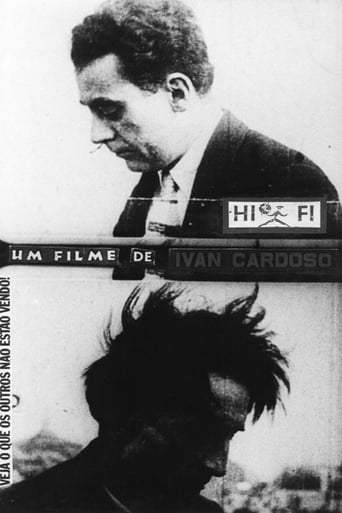
Hi-Fi
1999
Dadascope
1962

Uncertain Verification
1965
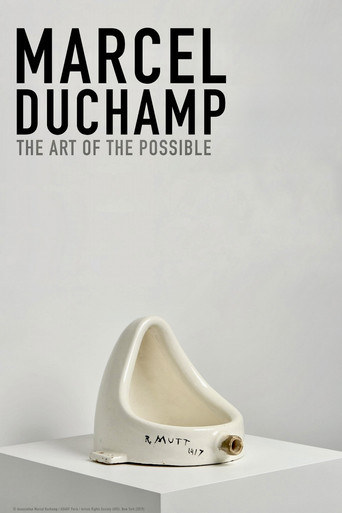
Marcel Duchamp: The Art of the Possible
2020

Andy Warhol Screen Tests
1965
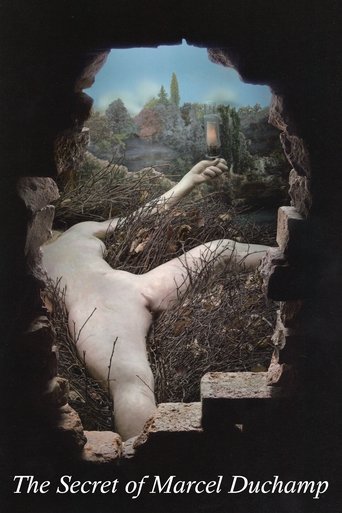
The Secret of Marcel Duchamp
1997
Passionate Pastime
1958
Dada
1969
The Great Rehearsals: Homage to Edgard Varèse
1966
Free Radicals: A History of Experimental Film
2011
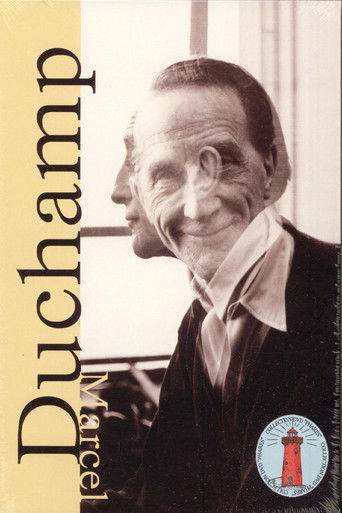
Marcel Duchamp: Iconoclaste et Inoxydable
2009
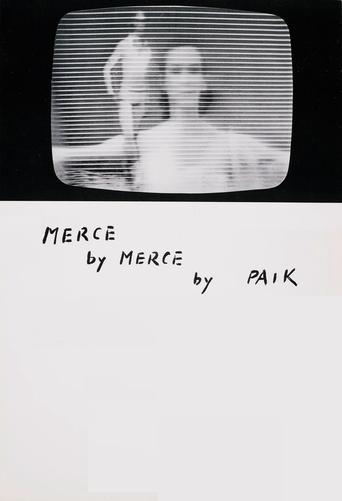
Merce by Merce by Paik
1978
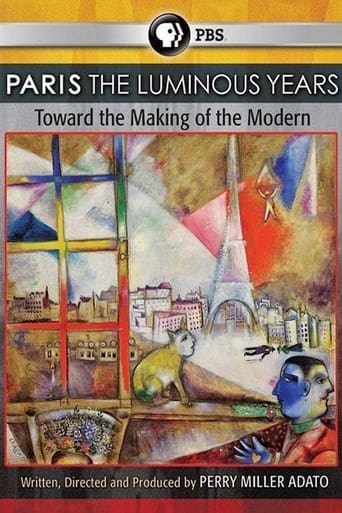
Paris: The Luminous Years
2010
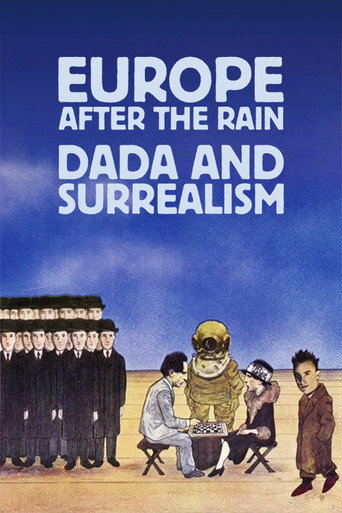
Europe After the Rain
1978
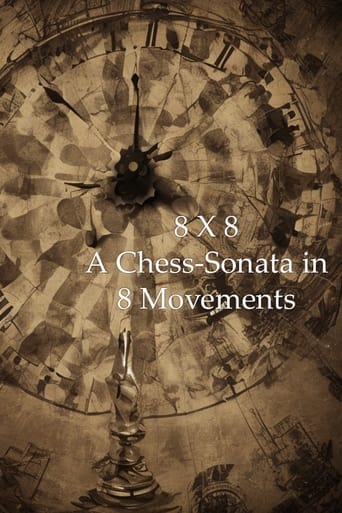
8 x 8: A Chess-Sonata in 8 Movements
1957
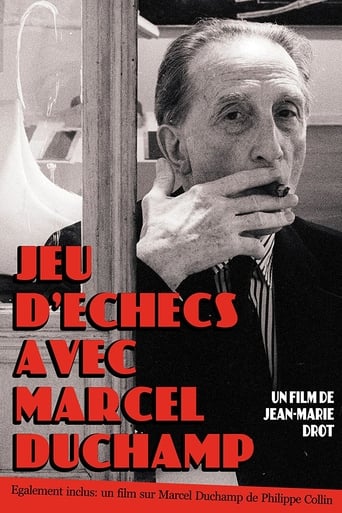
Marcel Duchamp: A Game of Chess
1963
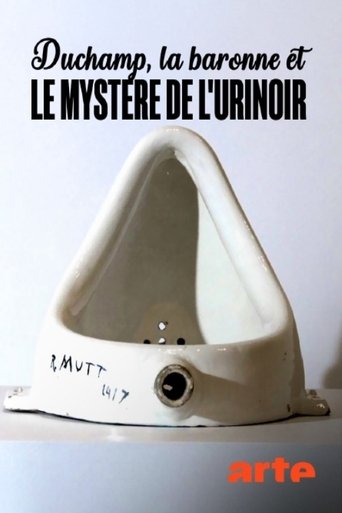
Duchamp, la baronne et le mystère de l'urinoir
2024
A Conversation with Marcel Duchamp
1956
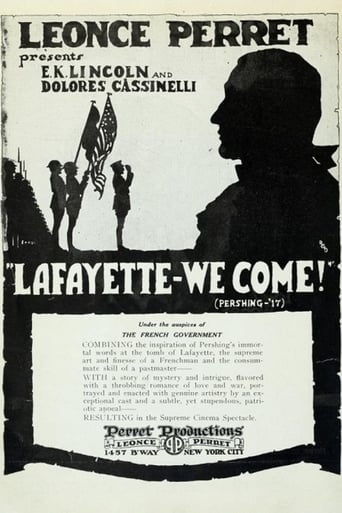
Lafayette, We Come
1918