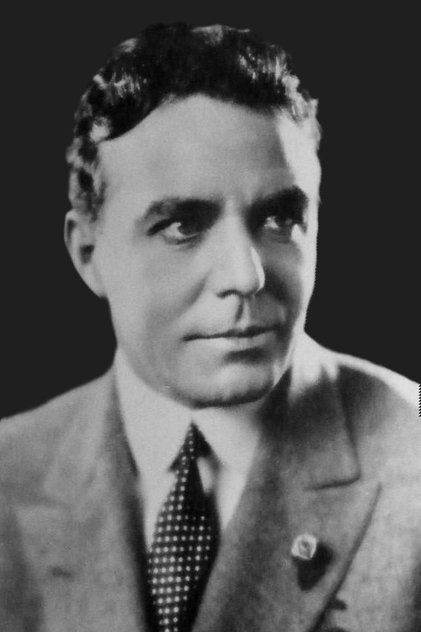
House Peters
Robert House Peters, Sr. (12 March 1880 – 7 December 1967) was a British-born American silent film actor, known to filmgoers of the era as "The Star of a Thousand Emotions." Born in Bristol, Gloucestershire, England, Peters began his career on a high note, playing the handsome leading man in In the Bishop's Carriage (1913), co-starring Mary Pickford. While The Bishop's Carriage was filmed in an East Coast studio, Peters was in Los Angeles by 1914, becoming one of the first screen stars to permanently settle there. Although he stated publicly that he preferred playing villains, Peters, curly haired and pleasantly dimpled, was from the outset typecast as the romantic hero. After enjoying his greatest success as the good-bad hero of The Girl of the Golden West (1915), Peters found his career peak of the early 1920s. He signed with Universal Studios for six films in 1924, hoping for a comeback. The results, however, were mostly mediocre and he was soon demoted to supporting roles. Retired after 1928's Rose Marie, Peters returned for a guest appearance in The Old West, a 1952 Gene Autry film that also featured his son, House Peters, Jr., who subsequently enjoyed a lengthy film career. Peters was married to actress Mae King in 1914 with whom he had three children, Gregg, Patricia and Robert, Jr. (1916–2008). Peters died at the Motion Picture Country House and Hospital in Woodland Hills, California.
Known for
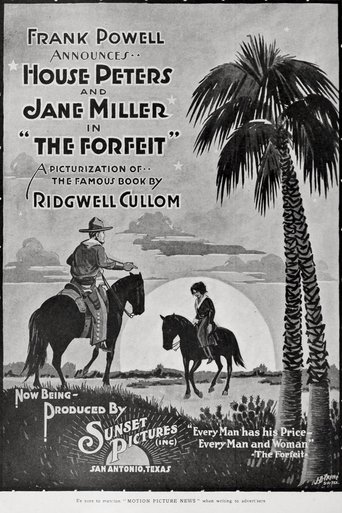
The Forfeit
1919
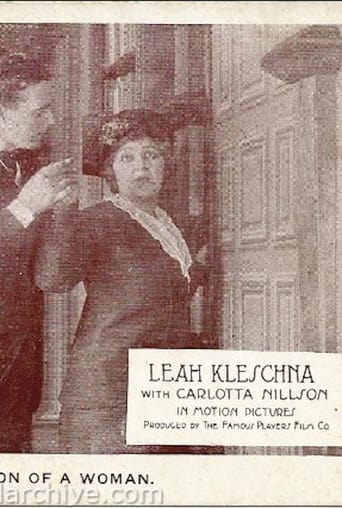
Leah Kleschna
1913
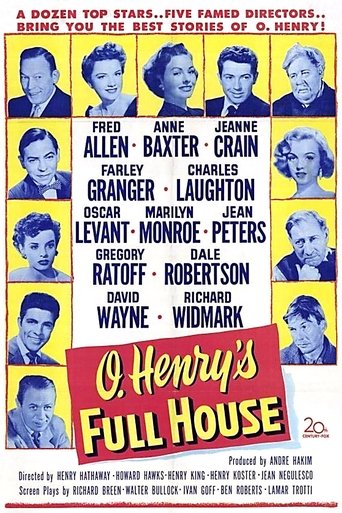
O. Henry's Full House
1952

Treasure of the Golden Condor
1953
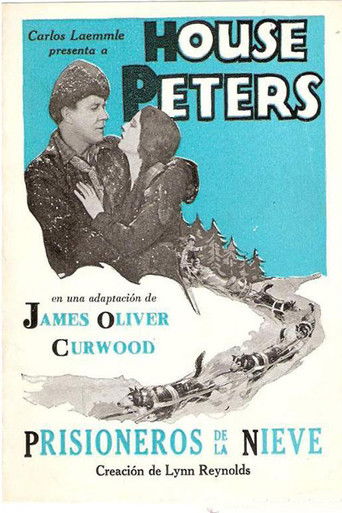
Prisoners of the Storm
1926
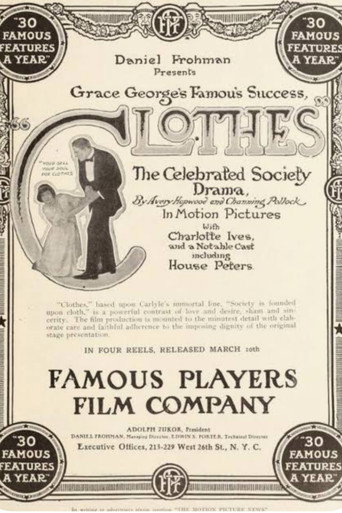
Clothes
1914
Happiness of Three Women
1917
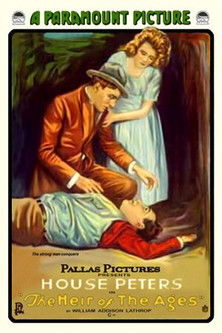
The Heir of the Ages
1917
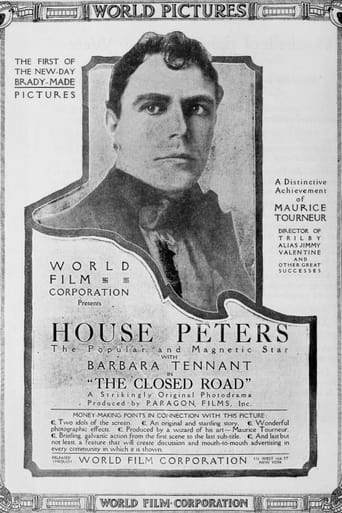
The Closed Road
1916
Rich Men's Wives
1922
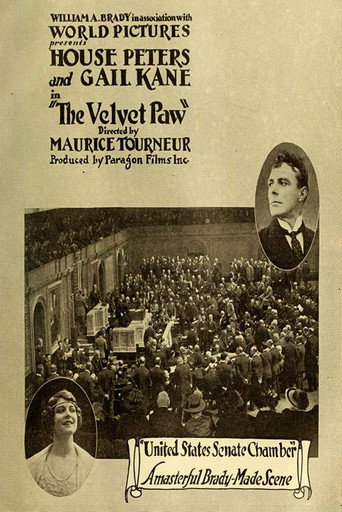
The Velvet Paw
1916

The Girl of the Golden West
1915
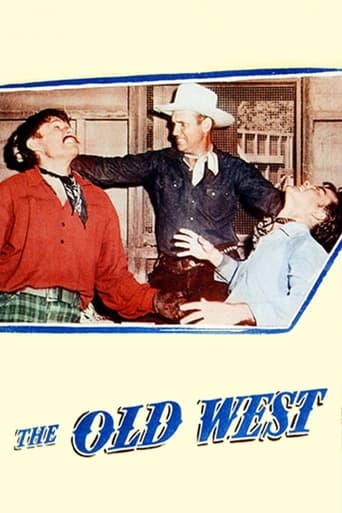
The Old West
1952
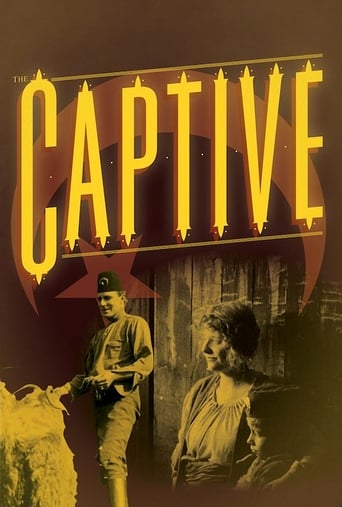
The Captive
1915
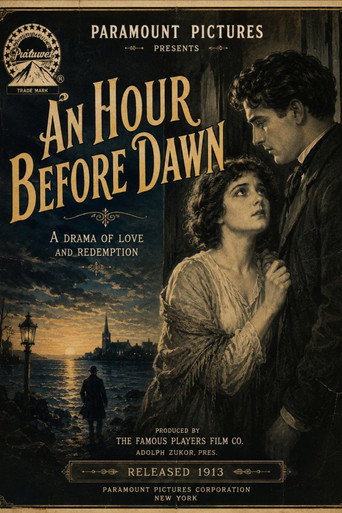
An Hour Before Dawn
1913
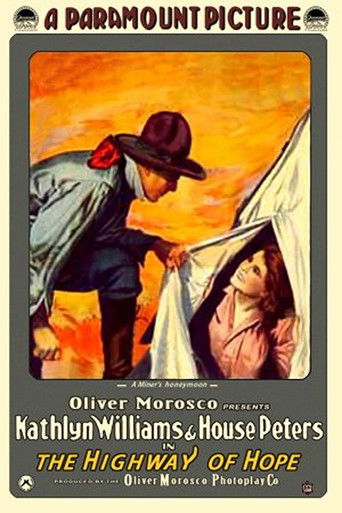
The Highway of Hope
1917
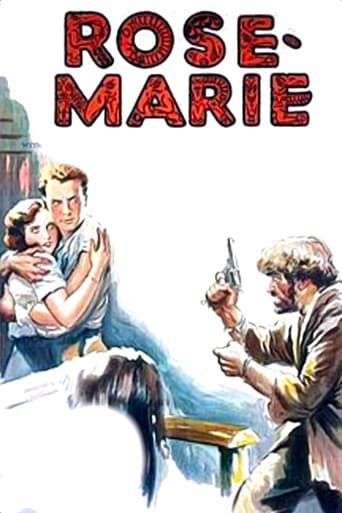
Rose-Marie
1928
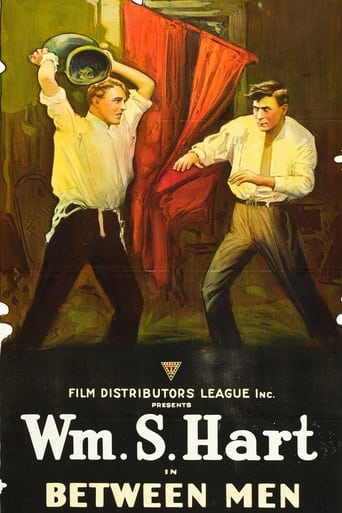
Between Men
1916

The Warrens of Virginia
1915
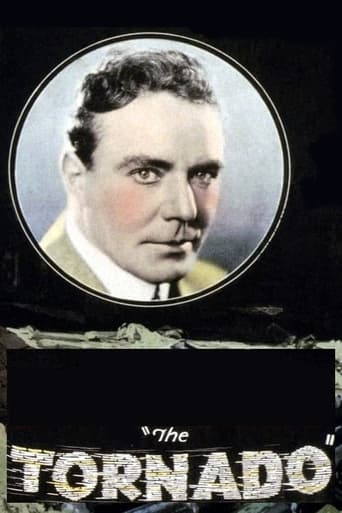
The Tornado
1925
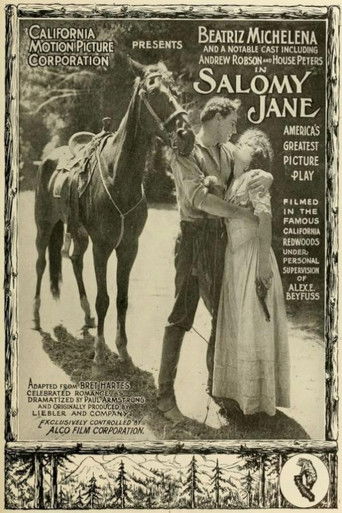
Salomy Jane
1914

In the Bishop's Carriage
1913

A Trip Through the World's Greatest Motion Picture Studios
1920
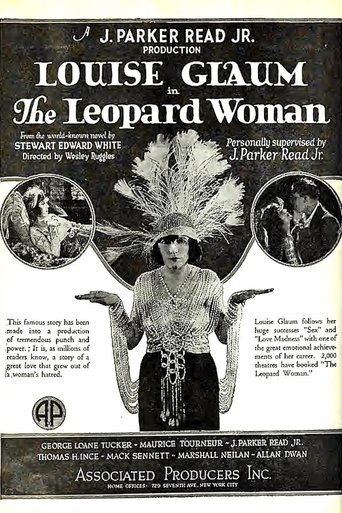
The Leopard Woman
1920